
Chemical Biology
Our Services
-
•Synthesis of core intermediate on 1-3 g scale (ease of synthesis)
•Library small molecule chemistry carried out on 10-50 mg scale
•Initial small molecule library will contain ‘hit’ and diverse analogues to explore SAR
-
•Post reaction work-up carried out using solid phase reagents
•All compounds have LC-MS checks to determine reaction success and purification requirements
•All compounds requiring purification are carried out via preparative HPLC/SFC
-
•In house electronic notebook and compound registration systems in place
•Individual projects ring-fenced and firewalled to protect information
•All final compounds accurately weighed, barcoded and tracked
-
All compounds screened in desired biological assays (biochemical and/or cell based)
•Data generated used to inform next iteration of compound library generation
•Off-target screening
•In addition, rounds of more focussed libraries, such as solubility, stability, cLogP (partner)
-
Carry out standard analytical screening to support chiral chemistry project – determination of %ee
Identify chiral separation methods for scaling up to semi-preparative chromatography
Capabilities
Located in The Johnston Cancer Research Centre (JCRC), gain access to our chemical biology team that has extensive research in developing potent and selective compounds.
•Technology Enabled Synthesis or TES is a medicinal chemistry platform that allows for rapid SAR (Structure Activity Relationship) during the ‘Hit validation’ and early ‘Hit to lead’ programmes
•Using cutting edge technologies, we can carry out early-stage drug development work in a pre-competitive environment
Team

Dr Rich Williams
Academic Lead
Small molecule inhibitor development/ protease biology

Robert Haydon
Research Technician
Process scale-up, chemical analysis

Dr. Emma Clyde Allen
Research Fellow
Small molecule inhibitor development/ protease biology

Dr Benjamin Owen
Research Fellow
Drug development
FMI Chiral Screening Lab
The FMI has established a chiral analytical and semi-preparative chromatography hub. Utilising the SFC system recently installed in the FMI, we have recently acquired a range of chiral analytical columns, that cover a broad range of stationary phases, to carry out a systematic screening program with the aim of identifying methods for separating mixtures of enantiomers. This system can be used to:
carry out standard analytical screening to support chiral chemistry project – determination of %ee
identify chiral separation methods for scaling up to semi-preparative chromatography
For accessing the analytical technologies, please contact FMI@qub.ac.uk. Ideally samples should be submitted as a dry powder (3-5 mg) for chiral method development and less than 1 mg for analysis of samples with pre-established screening.
For preparative separation, once an analytical method is identified from the chiral screening, we will acquire a semi-preparative column upon agreement of a body of work with the collaborator to carry out purifying racemic materials (10 mg to 1 g). Prices for the separation services will be agreed between the FMI and collaborator prior to work commencing. All final purified materials will be concentrated to dryness for supplying to the collaborator with a full analytical check (chiral and standard analytical column) to ensure purity.
Our technology
-
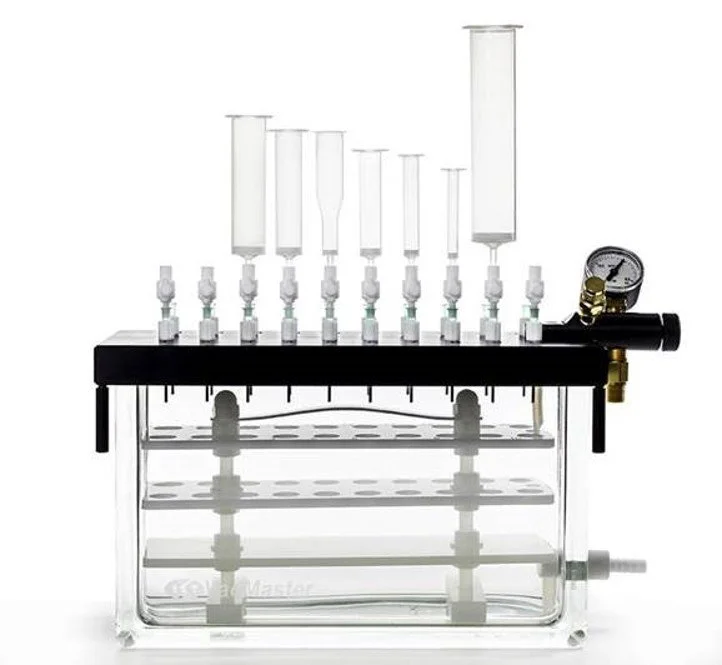
![]()
ISOLUTE® Single Fritted Columns
-
![Medical laboratory machine for blood processing with a digital screen, test tubes, and connected tubing.]()
Biotage Isolera System
-
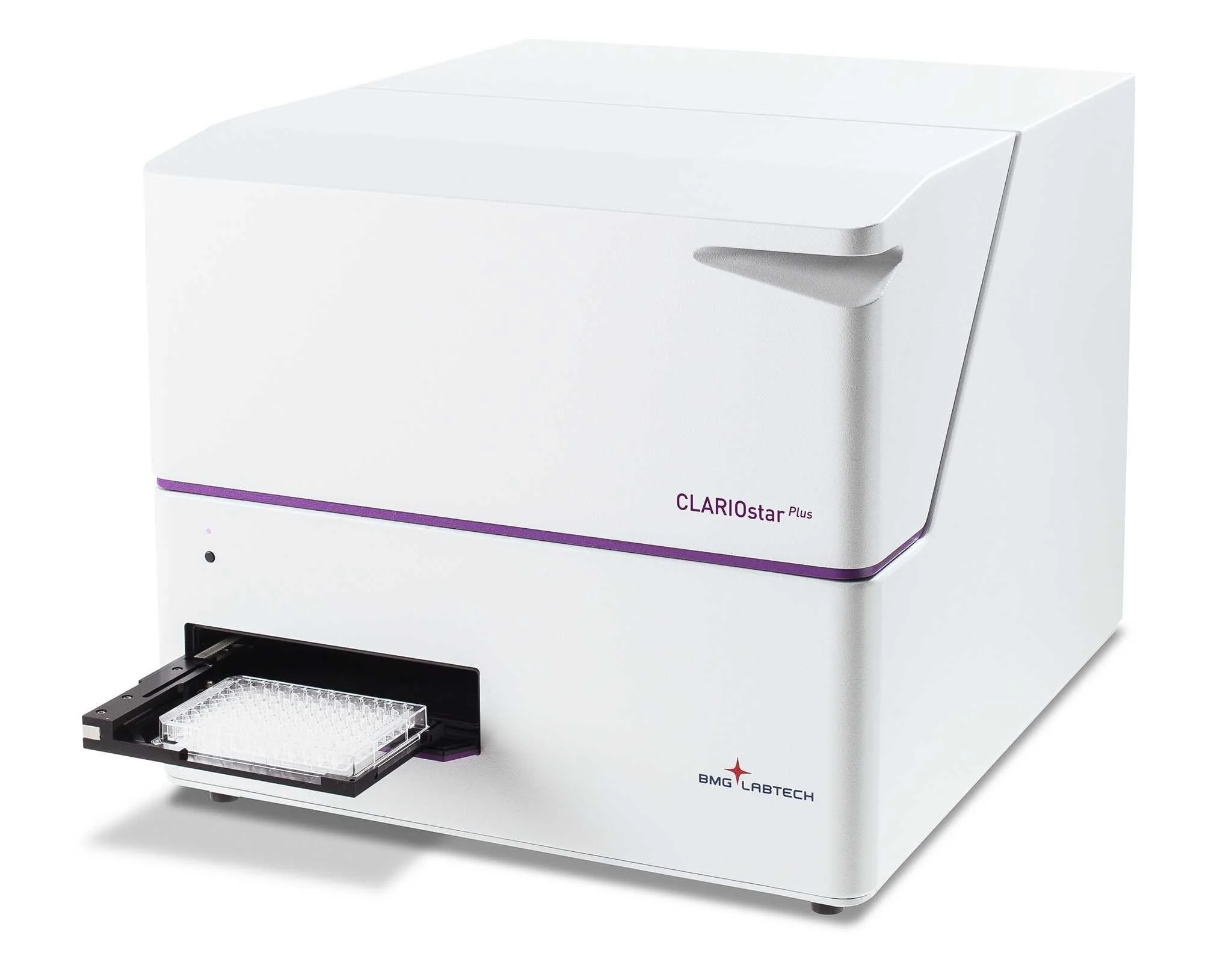
![Laboratory instrument named CLARIOstar Plus with BMG LABTECH branding, used for scientific analysis or experiments.]()
CLARIOstar Plus
-
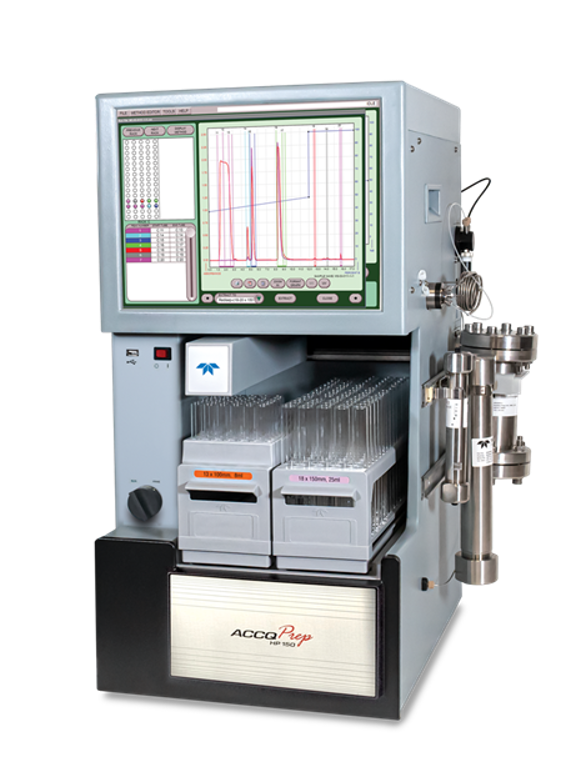
![Medical laboratory machine with test tubes, a monitor displaying graph data, and various apparatus for blood analysis.]()
Teledyne ACCQ Prep HP150 HPLC
-
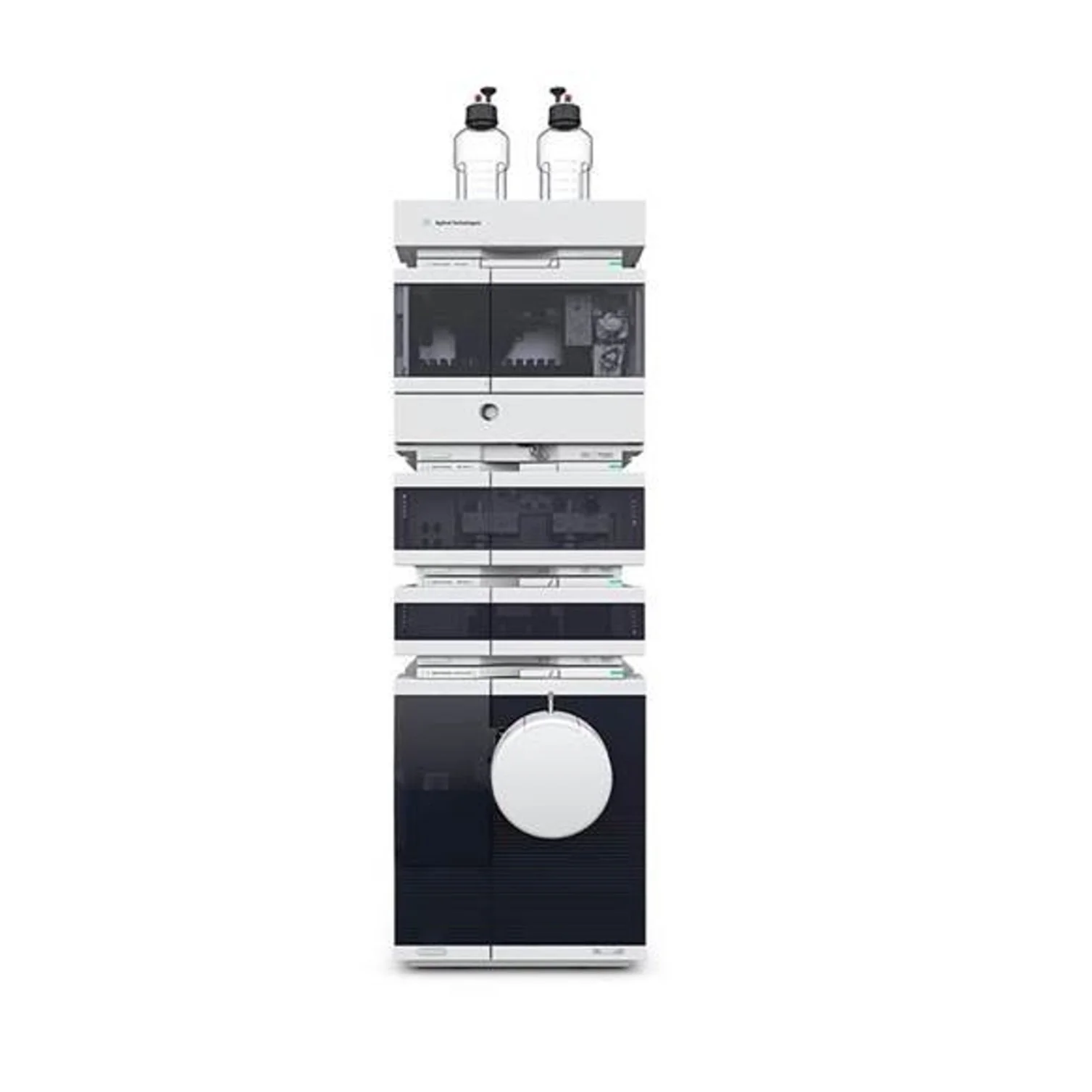
![A tall stack of household appliances including a washing machine, several microwave ovens, a dishwasher, and a refrigerator, arranged vertically.]()
Agilent Single Quadrupole LC/MS
-
![Laboratory machine with a digital screen, bottles, and tubing inside, used for scientific or medical testing.]()
Sepiatec preparative HPLC system
Description goes here -
![Laboratory instrument with a circular black lid and a touchscreen display, featuring a blue liquid container or chamber.]()
Genevac EZ-2 40 Series Centrifugal Evaporator
-
![A biohazard laboratory machine with small vials and gold coins on top and a display screen on the front.]()
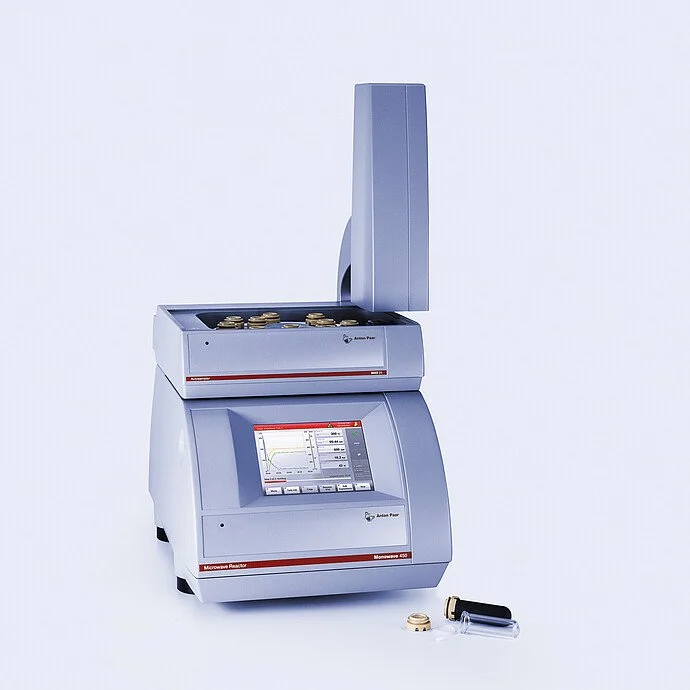
Monowave 450



Visit us
The Patrick G. Johnston Centre for Cancer Research 97 Lisburn Rd, Belfast BT9 7AE
Hours
Monday–Friday
8am–5pm
Email rich.wiliams@qub.ac.uk